
For any e-commerce business, manufacturer, or warehouse operation, shipping costs extend far beyond courier fees. Every extra meter of heavy-duty tape, oversized corrugated box, or excess layer of void fill chips away at profit margins—or worse, leads to damaged goods in transit.
At UPAC, as Scotland’s largest independent packaging supplier, we help businesses build smarter, safer, and more cost-effective packaging structures. Below is a guide on using the right amount of protective packaging, preventing wasteful over-packing, and cutting overall shipping expenses.
The Right Foundation: Choose the Correct Corrugated Box Structure
A weak box leads to collapsed loads, while an oversized box wastes dimensional weight (DIM weight) shipping costs.
- Single-Wall Corrugated Boxes: Ideal for lightweight goods, clothing, and small retail packages under 10–15 kg.
- Double-Wall Corrugated Boxes: Crucial for heavy freight, fragile electronics, and stacked warehouse pallets that need maximum crush resistance.
- Bespoke Custom Boxes: Custom-sized boxes eliminate empty space inside the box. By tailoring box dimensions precisely to your product, you cut down on void fill needs and reduce total courier volumetric charges.
Cost-Saving Tip: Switching to custom PiP (Pricing in Proportion) or right-sized corrugated boxes instantly drops transit charges by moving shipments into lower carrier rate tiers.
2. Right-Sizing Cushioning: Using Just Enough Void Fill
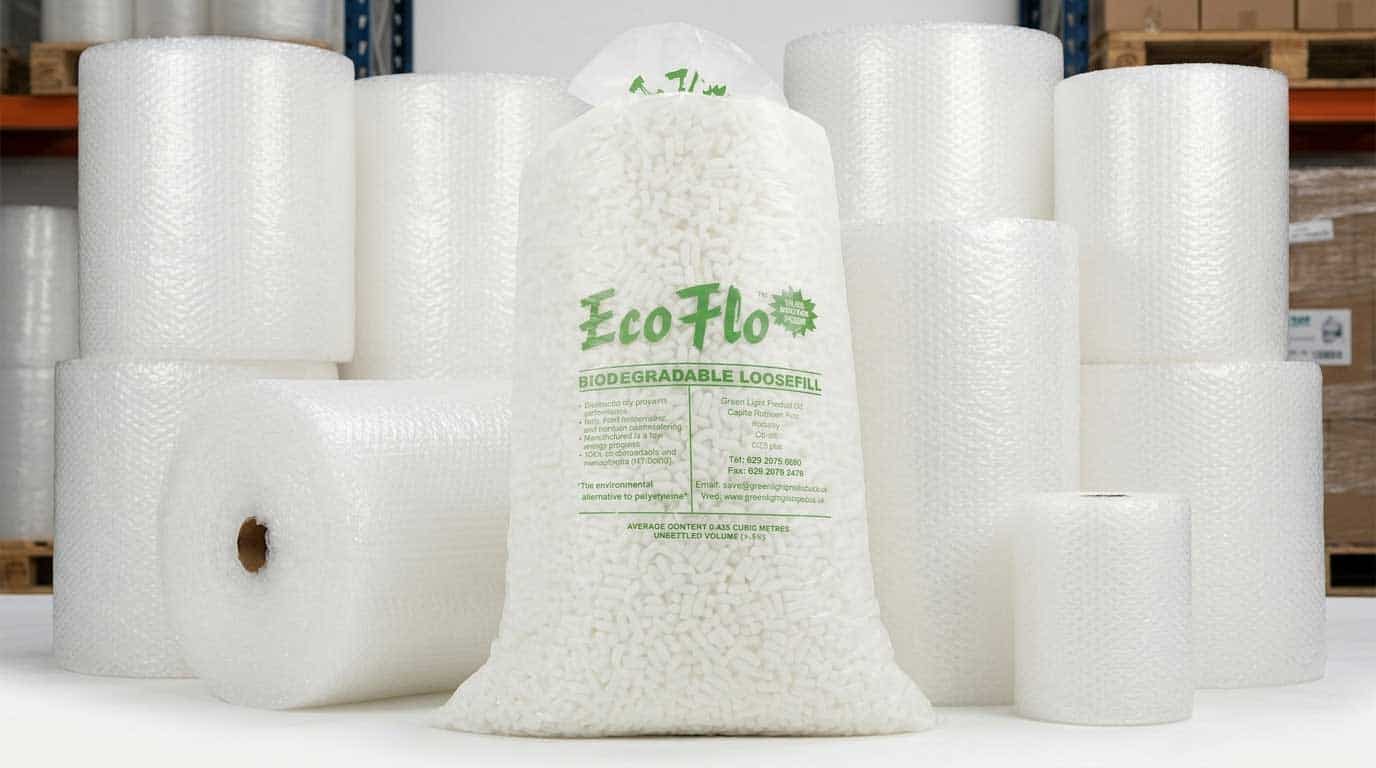
Over-stuffing boxes with bubble wrap or packing peanuts increases costs without adding real protection. The goal is isolation, not tight compaction.
- Protective Paper Wrap & Honeycomb Paper: Best for scratch prevention, delicate cosmetics, and glass.

- Air Pillows & Void Fill Peanuts: Excellent for locking items in the centre of the carton so impacts are absorbed by air cushions rather than your item.

- How Much to Use: Maintain a 2-inch (5 cm) safety buffer of cushioning on all six sides between the product and the outer box wall. Anything beyond 2 inches adds unnecessary volume without providing additional impact absorption.
3. Structural Box Sealing: Apply Tape the Smart Way
Applying strip after strip of standard plastic tape wastes money and slows down packing lines.
- The “H-Seal” Technique: Apply one strip down the center seam, and two strips across the side edge seams. This distributes pressure evenly across the strongest structural points of the cardboard box.
- Water-Activated Paper Tape (Gummed Tape): Gummed tape fuses directly into the fibers of corrugated boxes, forming a tamper-evident, permanent bond. You only need one single strip to seal heavy boxes, reducing total tape consumption by up to 50% compared to standard acrylic packaging tape.
4. Pallet Stabilisation: Stretch Film & Polythene
Under-wrapping pallets leads to shifted loads in transit, while over-wrapping wastes plastic film.
- Pre-Stretched Stretch Film: Pre-stretched film requires less physical effort, grips tighter, and uses up to 40% less material per pallet than standard hand stretch wrap.
- Correct Wrapping Method: Secure the film to the base pallet first, complete 3 tight overlap wraps around the bottom wooden runners, overlap layers by 50% as you move up, and finish with 3 locking wraps at the top.
How UPAC Helps You Audit & Cut Packaging Costs
Using high-quality packaging supplies doesn’t mean spending more—it means using high-performance materials more efficiently.
At The UPAC Group, we stock a full range of corrugated boxes, eco-friendly void fill, heavy-duty tapes, and specialized industrial packaging. Our packaging specialists work directly with logistics managers and e-commerce stores to audit packaging operations, optimize box sizing, and identify material savings.
- Need a custom quote or packaging audit? Contact UPAC today to review your current shipping setup and start cutting costs.


